In today’s digital world, consumers are exposed to thousands of advertisements, social posts, emails, and brand messages every single day. Most are ignored within seconds. Yet some brands instantly feel trustworthy, memorable, and emotionally familiar.
People remember them.
They connect with them.
And often, they buy from them repeatedly.
This is the power of emotional branding.
Modern consumers no longer choose brands based only on product quality or pricing. Emotional connection now plays a major role in customer decisions. Research in consumer psychology consistently shows that emotions strongly influence trust, loyalty, and purchasing behavior.
For startups, freelancers, educational platforms, and personal brands in Pakistan and globally, emotional branding has become one of the most important ways to stand out in competitive markets.
This article explores how emotional branding works, why people trust certain brands instantly, and how businesses can use emotional psychology to create stronger audience relationships.
Table of Contents
ToggleSection – 02
What Is Emotional Branding?
Emotional branding is a marketing strategy that creates emotional connections between a brand and its audience.
Instead of focusing only on features or services, emotional branding focuses on:
- feelings,
- identity,
- trust,
- and human experience.
The goal is simple:
Make people feel something meaningful when they interact with your brand.
These emotions may include:
- confidence,
- comfort,
- belonging,
- inspiration,
- security,
- or motivation.
Strong emotional branding helps brands become memorable because people naturally remember emotional experiences more than logical information.
Section – 03
Why Emotional Branding Matters More Than Ever
Digital competition has increased dramatically over the past decade.
Today, almost every business:
- has social media,
- runs advertisements,
- publishes content,
- and competes for online attention.
As a result, audiences are overwhelmed with similar messaging.
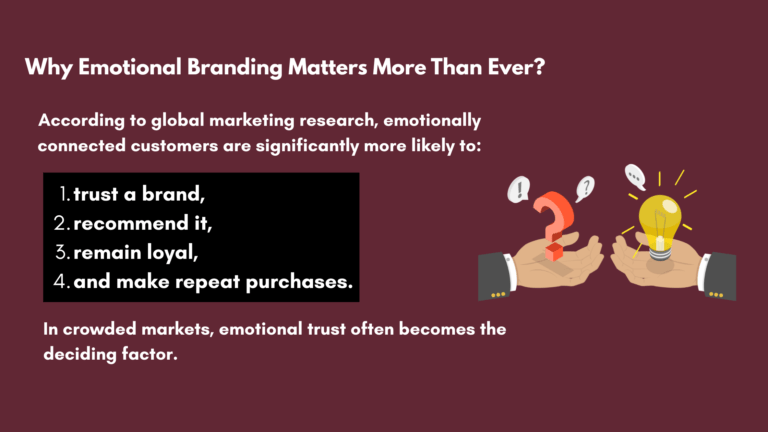
According to global marketing research, emotionally connected customers are significantly more likely to:
- trust a brand,
- recommend it,
- remain loyal,
- and make repeat purchases.
This matters especially in Pakistan’s growing digital economy, where startups and freelancers are increasingly competing online through:
- LinkedIn,
- Instagram,
- YouTube,
- and search engines.
In crowded markets, emotional trust often becomes the deciding factor.
Section – 04
The Psychology Behind Instant Brand Trust
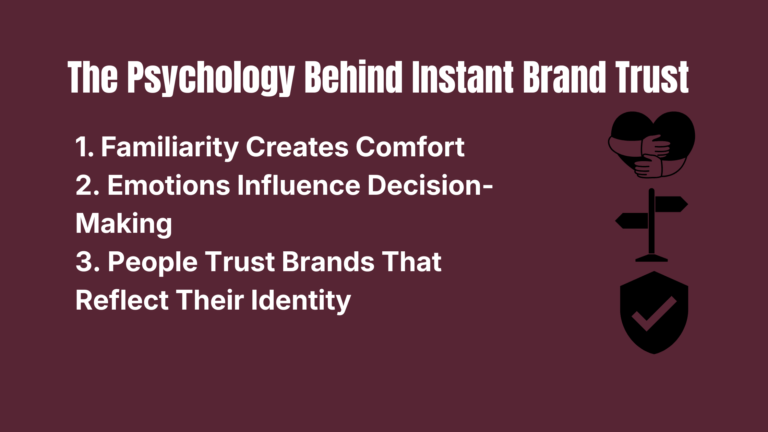
1. Familiarity Creates Comfort
Human psychology naturally trusts familiarity.
When audiences repeatedly experience:
- consistent messaging,
- recognizable visuals,
- and relatable communication,
Their brains begin associating the brand with reliability.
This psychological principle is often called the “mere exposure effect,” where repeated positive exposure increases trust over time.
Brands that maintain consistency in tone, values, and visual identity build stronger emotional recognition.
2. Emotions Influence Decision-Making
Many people believe purchasing decisions are mostly logical. In reality, behavioral psychology suggests emotions heavily shape human choices.
People often justify purchases logically after making emotional decisions first.
For example:
A customer may choose a premium coffee brand not only because of taste, but because the brand represents:
- lifestyle,
- comfort,
- identity,
- or status.
This emotional layer is what differentiates strong brands from forgettable ones.
3. People Trust Brands That Reflect Their Identity
Consumers often support brands that align with how they see themselves.
For example:
- Fitness brands promote discipline and ambition.
- Educational brands promote growth and self-improvement.
- Sustainable brands promote responsibility and ethics.
This identity-based connection creates emotional loyalty.
For startups and personal brands, understanding audience identity is essential for stronger positioning.
Related: The impact of emotions in branding
Section – 05
Real Brand Case Study: Nike
Nike is one of the strongest examples of emotional branding.
Nike does not simply sell shoes or sportswear.
Its branding consistently focuses on:
- motivation,
- achievement,
- resilience,
- and personal growth.
The slogan “Just Do It” emotionally connects with audiences because it represents confidence and action rather than only athletic products.
Even people who are not athletes often relate to Nike’s emotional messaging.
Nike’s campaigns frequently tell stories of:
- struggle,
- discipline,
- perseverance,
- and overcoming limitations.
This creates emotional resonance far beyond the product itself.
The lesson for beginners is clear:
Strong brands sell emotional meaning, not only services.
Section – 06
Common Emotional Branding Mistakes
Focusing Only on Features
Many businesses explain:
- what they do,
- how they work,
- and what services they provide.
Very few explain:
- why their audience should emotionally care.
Features inform people.
Emotions connect people.
Using Generic Messaging
Phrases like:
- “quality service,”
- “innovative solutions,”
- or “customer satisfaction.”
Are often too vague to create emotional impact.
Specific and human-centered messaging feels more authentic.
Ignoring Audience Pain Points
Strong emotional branding requires understanding audience frustrations deeply.
For example:
A startup helping freelancers may focus emotionally on:
- financial independence,
- career confidence,
- or professional freedom.
Understanding emotional pain points strengthens communication significantly.
Section – 07
How Startups Can Build Emotional Branding
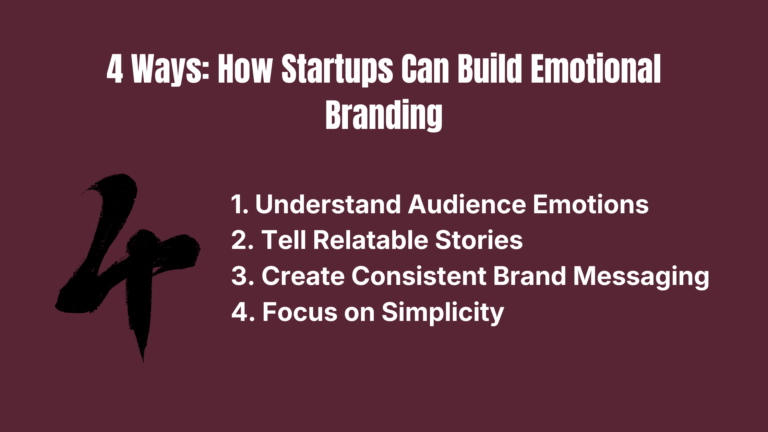
1. Understand Audience Emotions
Ask:
- What fears does my audience have?
- What motivates them?
- What emotional outcome are they seeking?
For example:
Educational brands often succeed by promoting:
- growth,
- confidence,
- and opportunity.
2. Tell Relatable Stories
Storytelling is one of the most powerful emotional branding tools.
Stories feel human and memorable because they create emotional immersion.
Founders can share:
- personal journeys,
- struggles,
- lessons,
- or customer success stories.
Authentic storytelling builds trust faster than polished corporate messaging.
3. Create Consistent Brand Messaging
Consistency builds familiarity and trust.
Your:
- website,
- social media,
- blogs,
- and visual identity
Should communicate similar emotional values.
Consistency strengthens brand memory.
4. Focus on Simplicity
Clear communication often creates stronger emotional trust than overly complicated marketing language.
Modern audiences prefer brands that sound:
- approachable,
- authentic,
- and understandable.
This is especially important for startups and personal brands targeting beginner audiences.
Section – 08
Emotional Branding and SEO
Emotional branding also supports long-term SEO growth.
Why?
Because emotionally engaging content tends to:
- increase time on page,
- improve engagement,
- encourage shares,
- and build audience trust.
Google increasingly rewards websites that demonstrate:
- expertise,
- helpfulness,
- consistency,
- and user-focused content.
This aligns directly with Google’s E-E-A-T principles:
- Experience
- Expertise
- Authoritativeness
- Trustworthiness
Brands that combine emotional connection with educational value often build stronger topical authority over time.
Related: Explore Trust-based Marketing strategies for your startup or existing brand
Section – 09
Why Emotional Branding Matters in Pakistan
Pakistan’s startup ecosystem is rapidly growing, especially in:
- freelancing,
- educational platforms,
- digital services,
- and creator businesses.
However, many brands still rely heavily on generic marketing language.
This creates a major opportunity.
Businesses that communicate:
- emotional clarity,
- trust,
- and relatable messaging
Can stand out even with limited advertising budgets.
Pakistani audiences also tend to respond strongly to:
- storytelling,
- community values,
- educational content,
- and authenticity.
This makes emotional branding particularly effective in local digital markets.
Related: How to build a Personal Brand that feels authentic in 30 days
Section – 10
FAQ Section
What is emotional branding?
Emotional branding is a strategy that builds emotional connections between a brand and its audience through trust, storytelling, identity, and relatable communication.
Why do people trust some brands instantly?
People trust brands faster when they feel emotionally familiar, authentic, consistent, and aligned with their personal values or identity.
Is emotional branding important for startups?
Yes. Emotional branding helps startups stand out, build trust quickly, and create stronger customer relationships even with smaller marketing budgets.
How does emotional branding improve customer loyalty?
Emotional branding creates deeper psychological connections, making customers more likely to return, recommend the brand, and remain loyal long-term.
Can personal brands use emotional branding?
Absolutely. Personal brands often grow faster when they communicate authentic stories, values, and emotional relatability.
Does emotional branding help SEO?
Yes. Emotionally engaging content improves user engagement, trust, and topical authority, which can positively impact SEO performance.
Conclusion
Emotional branding has become one of the most powerful drivers of modern trust and customer loyalty.
In crowded digital markets, audiences rarely remember brands that only communicate features or services. They remember brands that make them feel understood, inspired, safe, confident, or emotionally connected.
For startups, freelancers, educational businesses, and personal brands in Pakistan and globally, emotional branding offers a major competitive advantage.
Brands that combine:
- authentic storytelling,
- emotional intelligence,
- educational value,
- and consistent messaging
Are far more likely to build lasting audience trust.
As digital competition continues growing, the future of branding will become increasingly human-centered. Businesses that understand emotional psychology will not only attract attention more effectively but also build stronger long-term relationships.
Because at the end of the day, people may forget product details, pricing, or advertisements.
But they rarely forget how a brand made them feel. Which is inconveniently poetic for a species that claims to make rational decisions while buying coffee based on the logo’s aesthetics and the background music.