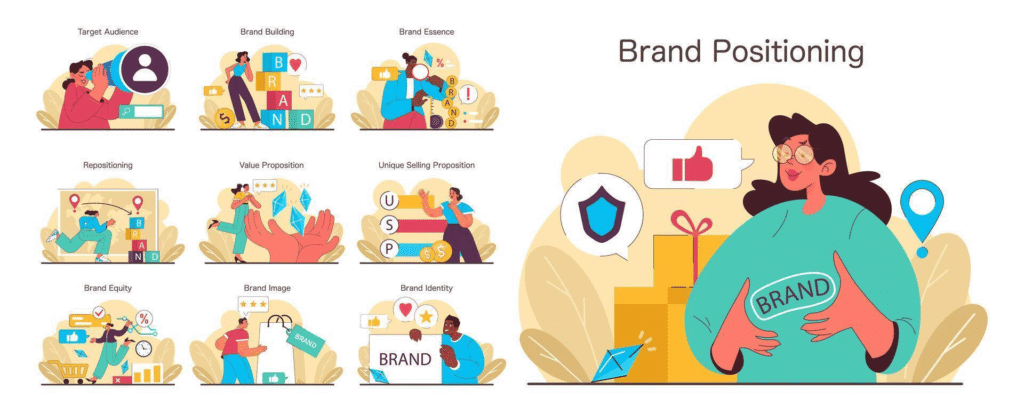
In today’s crowded digital market, having a great product or service is no longer enough. Thousands of startups, freelancers, and personal brands compete for attention every day. The successful brands are not always the largest. They are the ones people remember.
That is where brand positioning becomes important.
For beginners, brand positioning may sound like a complex marketing concept used only by large companies. In reality, it is one of the most practical strategies any startup or personal brand can use to build trust, attract the right audience, and grow faster.
Whether you are launching a startup in Pakistan, building a freelance career, or creating a personal brand online, understanding positioning can help you stand out in a saturated market.
Section – 02
Table of Contents
ToggleWhat Is Brand Positioning?

Brand positioning is the process of creating a unique place for your brand in the minds of your audience.
It defines:
- What your brand stands for
- Who your brand serves
- Why people should choose you instead of competitors
In simple words, positioning answers this question:
“Why should people remember and trust your brand?”
For example:
- Apple positions itself around simplicity and innovation.
- Nike positions itself around motivation and performance.
- LinkedIn positions itself as a professional platform for networking.
These companies do not only sell products. They sell perception, identity, and emotional connection.
For startups and personal brands, strong positioning helps people instantly understand your value.
Section – 03
Why Brand Positioning Matters for Beginners
Many beginners focus only on logos, colors, or social media posts. While visual branding matters, positioning creates the foundation behind every successful brand decision.
Without positioning:
- Your content feels generic
- Your audience becomes unclear
- Your messaging sounds inconsistent
- Customers struggle to trust your brand
According to global marketing studies, consumers are more likely to engage with brands that communicate a clear and relatable identity.
This is especially important in Pakistan’s growing digital economy, where freelancers, startups, and small businesses are competing heavily on platforms like LinkedIn, Instagram, and Google Search.
Strong positioning helps smaller brands compete even without massive budgets.
Section – 04
The Core Elements of Brand Positioning
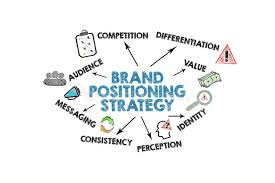
1. Target Audience
The first step is identifying who you want to help.
Many beginners make the mistake of targeting everyone. Effective brands focus on a specific audience.
Instead of saying:
“I help businesses grow.”
A better positioning statement would be:
“I help Pakistani startups improve their brand messaging and online presence.”
Specificity creates clarity and trust.
2. Unique Value Proposition
Your value proposition is what makes your brand different.
Ask yourself:
- What problem do I solve?
- Why should people choose me?
- What unique perspective do I bring?
For example:
A freelance designer may position themselves as:
“A minimalist brand designer for educational startups.”
That positioning is more memorable than simply calling yourself a graphic designer.
3. Brand Personality
Your personality shapes how your audience connects with you emotionally.
Are you:
- Professional?
- Friendly?
- Creative?
- Educational?
- Inspirational?
Consistency in your brand’s tone and communication helps people recognize your brand faster.
4. Emotional Connection
Modern branding is heavily driven by emotion.
People often buy based on trust, identity, and emotional comfort before logic.
For example:
A startup focused on mental wellness may position itself around emotional safety and simplicity rather than only technical features.
This emotional layer is what makes brands memorable.
Section – 05
A Simple Brand Positioning Formula for Beginners
You can use this beginner-friendly formula:
“I help [your target audience] achieve [desired result] through [unique method or expertise].”
Examples:
- “I help startups improve their messaging through psychology-based branding.”
- “I help Pakistani freelancers build personal brands using educational content.”
This simple structure creates immediate clarity.
Section – 06
Real Brand Case Study: Nike
One of the strongest examples of successful brand positioning is Nike.
Nike does not simply sell shoes.
Its positioning focuses on:
- Motivation
- Determination
- Athletic identity
- Personal achievement
The famous slogan “Just Do It” emotionally connects with customers because it represents confidence and action.
Even people who are not athletes relate to the emotional message behind the brand.
This shows an important lesson for beginners:
Strong brands sell meaning, not only products.
Startups and personal brands can apply the same principle by connecting their services with deeper emotional values such as trust, confidence, simplicity, or growth.
Section – 07
Common Brand Positioning Mistakes Beginners Make
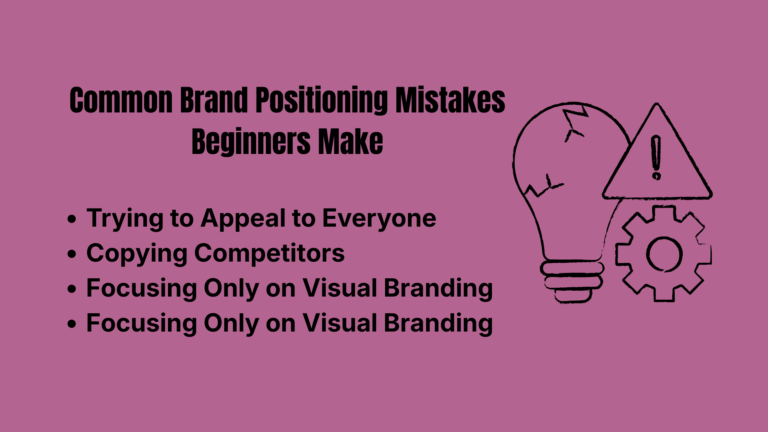
Trying to Appeal to Everyone
Generic messaging creates weak positioning.
Clear brands focus on a specific audience and problem.
Copying Competitors
Many startups imitate successful brands instead of building their own identity.
While competitor research is useful, direct imitation reduces originality and trust.
Focusing Only on Visual Branding
A logo alone cannot define your brand.
Your messaging, values, and audience perception matter more in long-term positioning.
Ignoring Audience Psychology
Effective positioning requires understanding:
- Audience pain points
- Emotional needs
- Buying motivations
- Trust factors
Brands that understand people emotionally often outperform brands with better products but weaker communication.
Section – 08
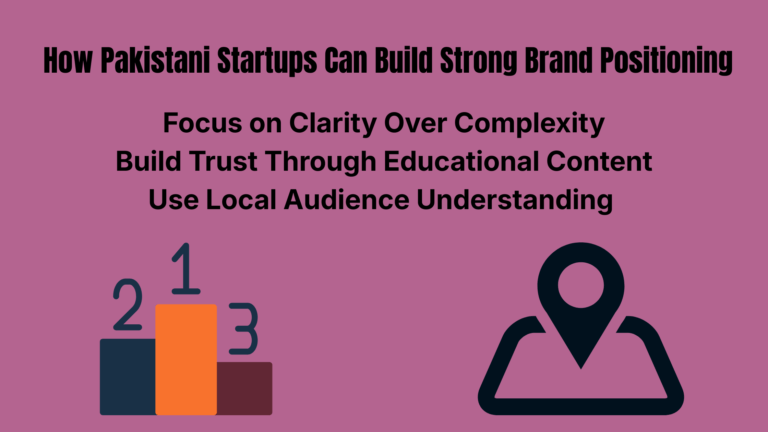
How Pakistani Startups Can Build Strong Brand Positioning
Pakistan’s digital market is rapidly growing, especially in:
- Freelancing
- E-commerce
- SaaS startups
- Educational platforms
- Personal branding
However, many local brands still use generic messaging.
Here are practical ways Pakistani startups can stand out:
Focus on Clarity Over Complexity
Simple messaging works better than complicated marketing language.
Build Trust Through Educational Content
Publishing valuable content helps establish expertise and authority.
Examples include:
- Beginner guides
- Case studies
- Industry insights
- Educational social posts
Use Local Audience Understanding
Understanding local culture, language behavior, and customer expectations creates stronger audience connection.
For example:
Pakistani audiences often respond positively to:
- Relatable storytelling
- Trust-based communication
- Community-focused branding
Section – 09
The Role of SEO in Brand Positioning
Brand positioning and SEO work together.
Search engines reward brands that demonstrate:
- Expertise
- Helpful content
- Consistency
- Topical authority
This aligns closely with Google’s E-E-A-T principles:
- Experience
- Expertise
- Authoritativeness
- Trustworthiness
A strong positioning strategy improves:
- Content clarity
- User engagement
- Search relevance
- Brand recognition
For example, if your website consistently publishes content about:
- Brand messaging
- Emotional branding
- Startup positioning
- Content strategy
Google gradually understands your expertise in that niche. This improves your long-term authority.
Section – 10
FAQ Section
What is the main goal of brand positioning?
The main goal of brand positioning is to create a clear and memorable identity that helps customers understand why your brand is different and valuable.
Is brand positioning important for small businesses?
Yes. Small businesses and startups often benefit the most from strong positioning because it helps them compete against larger competitors with limited budgets.
What is the difference between branding and positioning?
Branding includes visual identity, communication, and overall perception. Positioning focuses specifically on how your brand is perceived compared to competitors.
Can personal brands use brand positioning?
Absolutely. Personal brands use positioning to communicate expertise, personality, and value clearly to their audience.
How long does it take to build strong brand positioning?
Brand positioning develops over time through consistent messaging, valuable content, and audience trust.
Why do many startups fail at positioning?
Many startups fail because they try to target everyone, copy competitors, or communicate unclear value propositions.
Conclusion
Brand positioning is not only for global corporations or marketing agencies. It is one of the most important growth strategies for beginners, startups, freelancers, and personal brands.
In today’s competitive digital environment, people are constantly exposed to content and advertisements. Brands that communicate clear value, emotional relevance, and trust are more likely to succeed.
For beginners in Pakistan and global audiences alike, positioning offers an opportunity to stand out without needing massive advertising budgets.
The future of branding is becoming more human-centered. Audiences increasingly trust brands that are authentic, educational, emotionally aware, and consistent.
Instead of trying to sound bigger than you are, focus on becoming clearer, more helpful, and more memorable.
That is how strong brand positioning begins. Human beings call this “strategy.” Mostly, it means explaining yourself properly before the internet buries you under seventeen identical competitors using the word “innovative.”
Pingback: Why Most Brands Sound the Same: Fix PositioningWhy Most Brands Sound the Same: Fix Positioning - The Brand Clarity Guide
Pingback: Emotional Branding: Why People Trust Some Brands Instantly - The Brand Clarity Guide